Blog

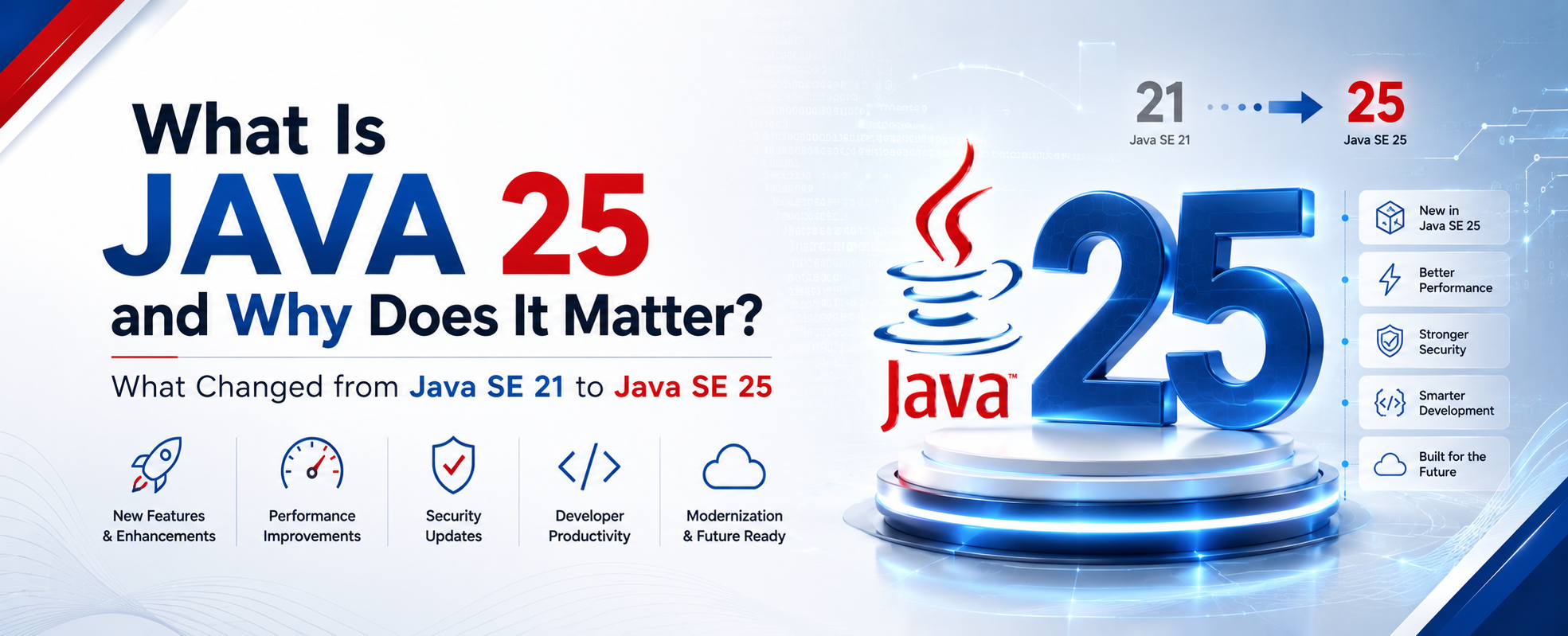
What Is Java 25 and Why Does It Matter? What Changed from Java SE 21 to Java SE

Java has been a core technology for enterprise applications, backend systems, financial platforms, and cloud services for decades. But modern Java is very different from the slower-moving platform many developers may remember from years ago. With its six-month release cycle, Java continues to evolve steadily, introducing improvements to the language, JVM, concurrency model, runtime performance, observability, security, and developer experience.

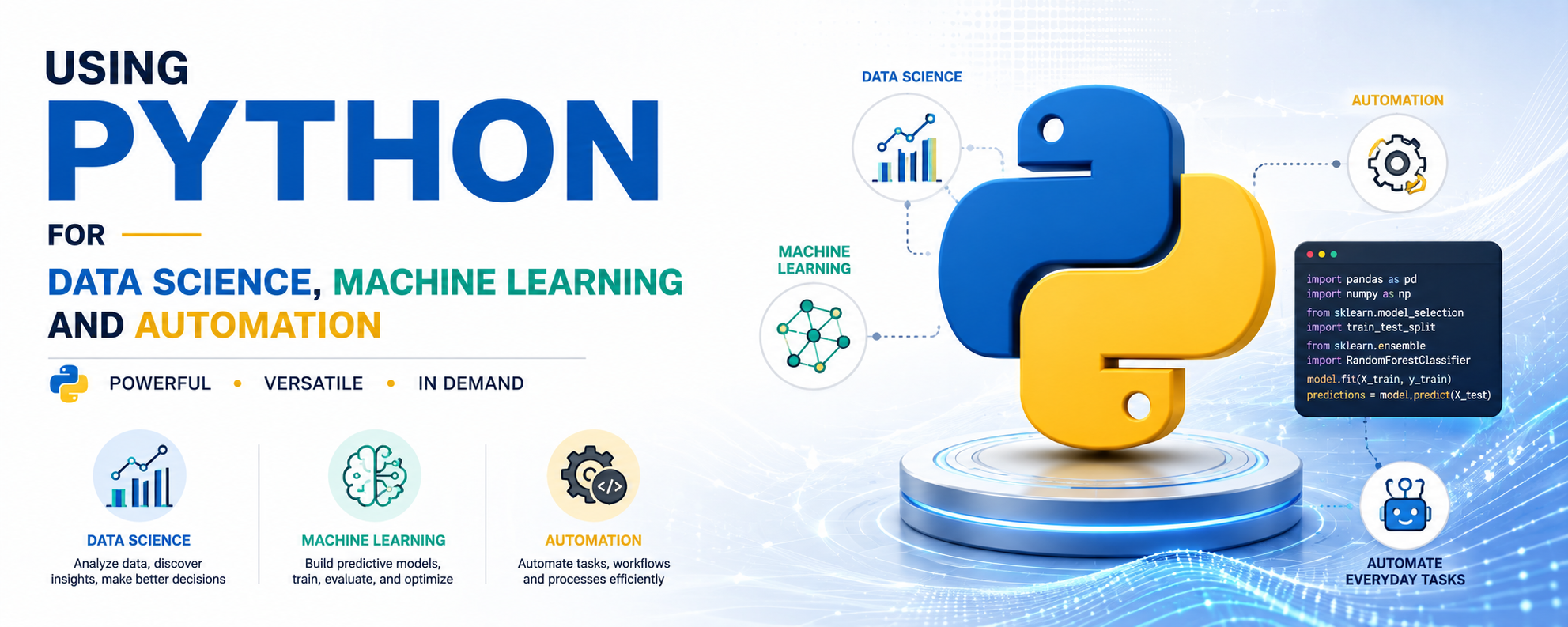
Using Python for Data Science, Machine Learning and Automation

Once people learn the basics of Python, they often reach the same point: “I understand the fundamentals. What can I actually do with Python now?” Three of the strongest answers are Data Science, Machine Learning, and automation.

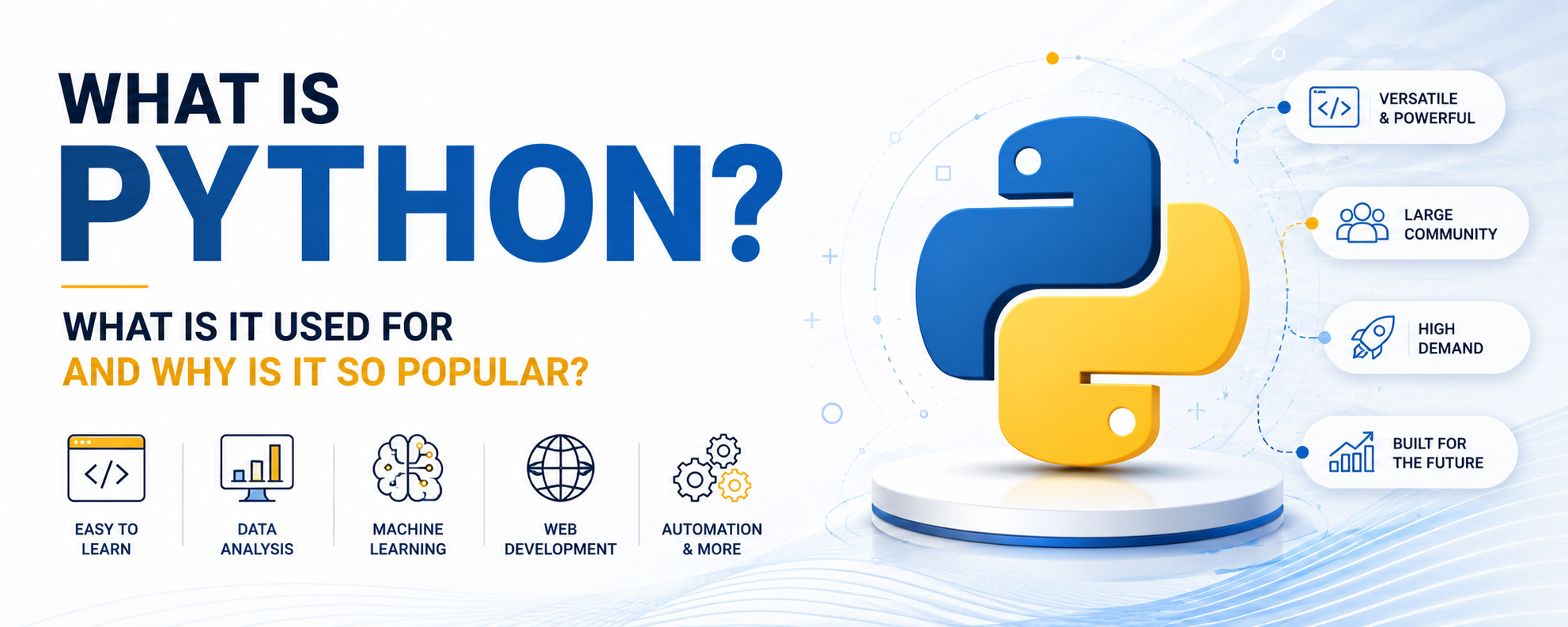
What Is Python? What Is It Used For and Why Is It So Popular?

When you first become interested in programming, there are a few languages you are almost guaranteed to come across. Python is usually near the top of that list. And Python isn't only for professional software developers. Data analysts, network engineers, data scientists, system administrators, and many other professionals use Python in their day-to-day work.

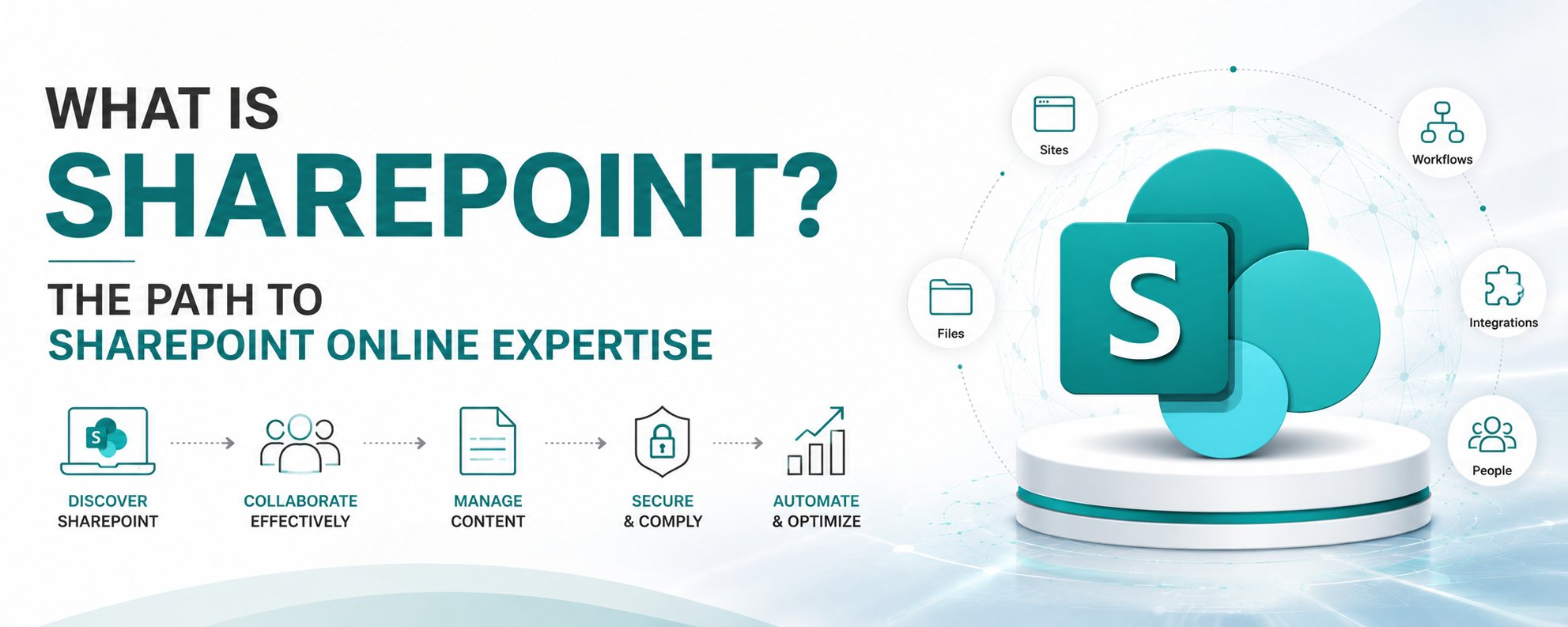
What Is SharePoint? The Path to SharePoint Online Expertise

Within the Microsoft 365 ecosystem, SharePoint Online is a powerful collaboration platform for organizing information, managing documents, building sites, and enabling teams to work together.

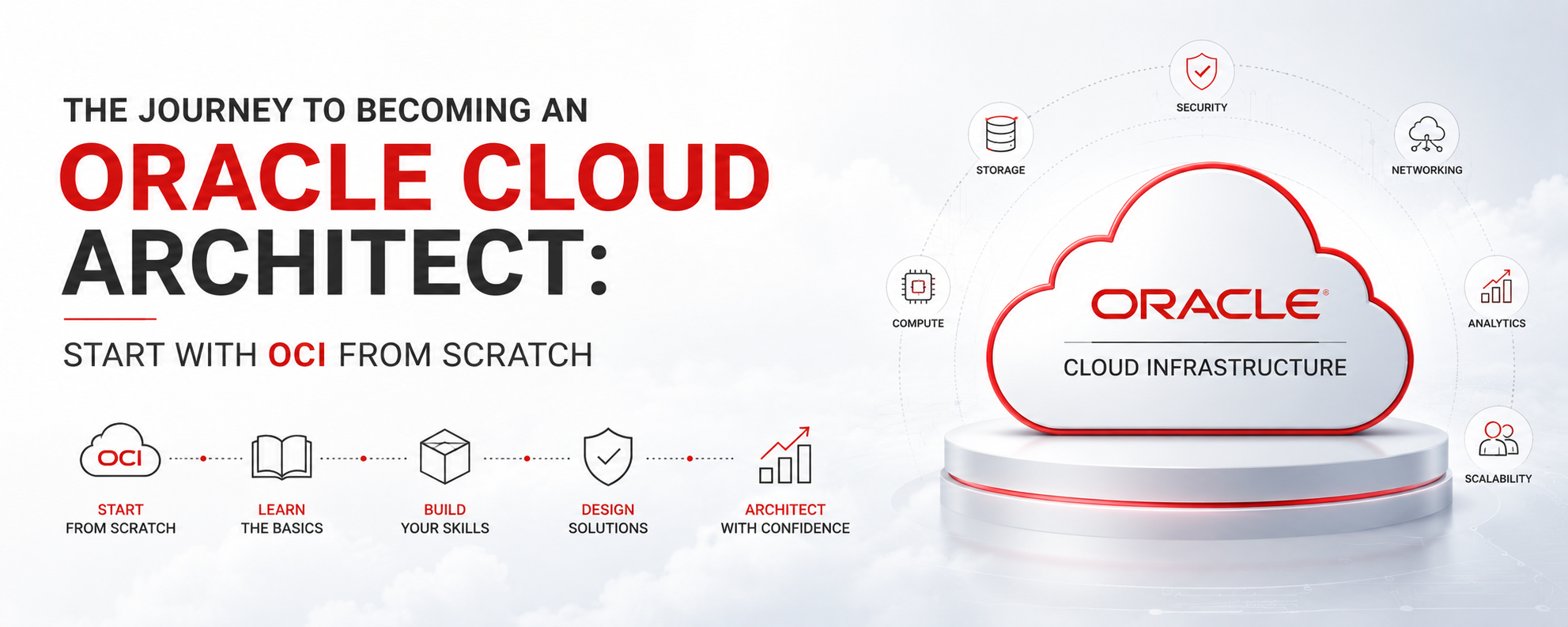
The Journey to Becoming an Oracle Cloud Architect: Start with OCI from Scratch

For an IT professional looking to specialize in cloud technologies, simply knowing the names of cloud services is not enough. Designing a real cloud architecture requires an understanding of how compute, networking, storage, databases, identity, and security work together.

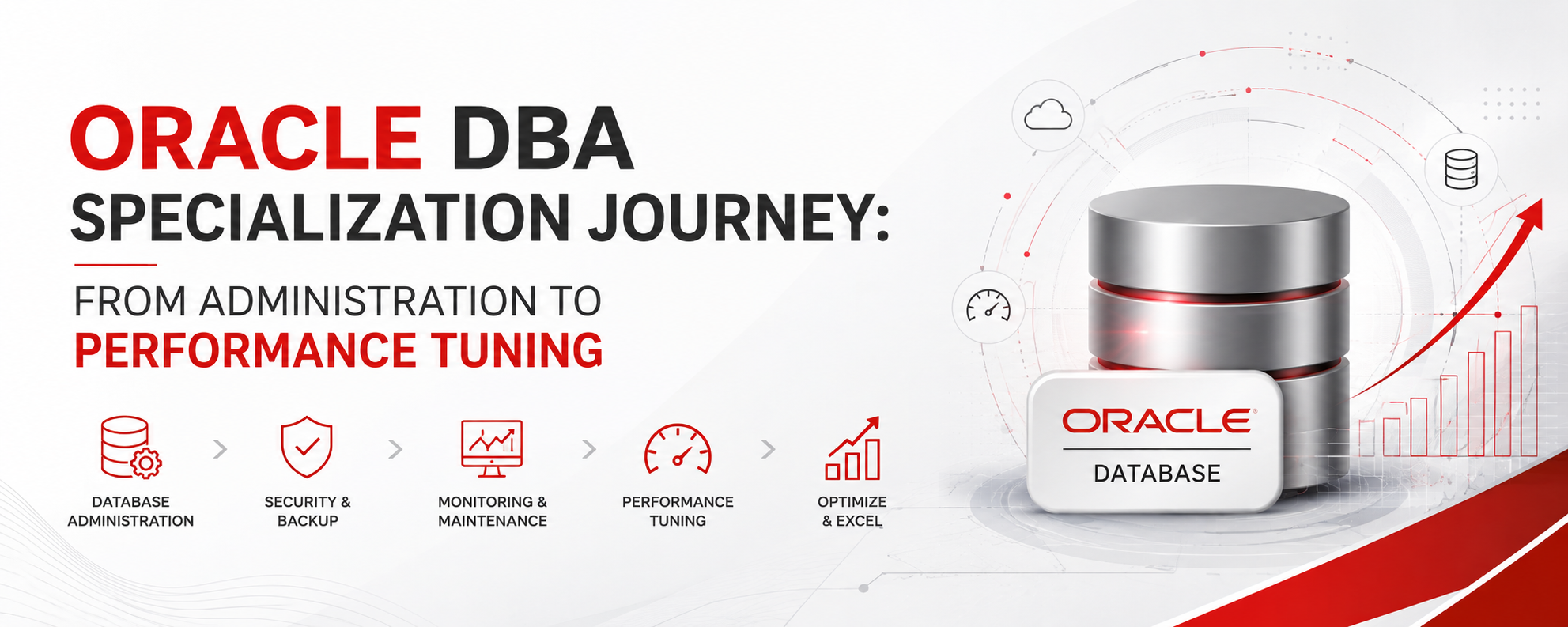
Oracle DBA Specialization Journey: From Administration to Performance Tuning

Oracle database administration is about much more than installing a database, creating users, or performing backups. In enterprise environments, an Oracle DBA (Database Administrator) plays a critical role in maintaining database availability, security, resource efficiency, and performance.

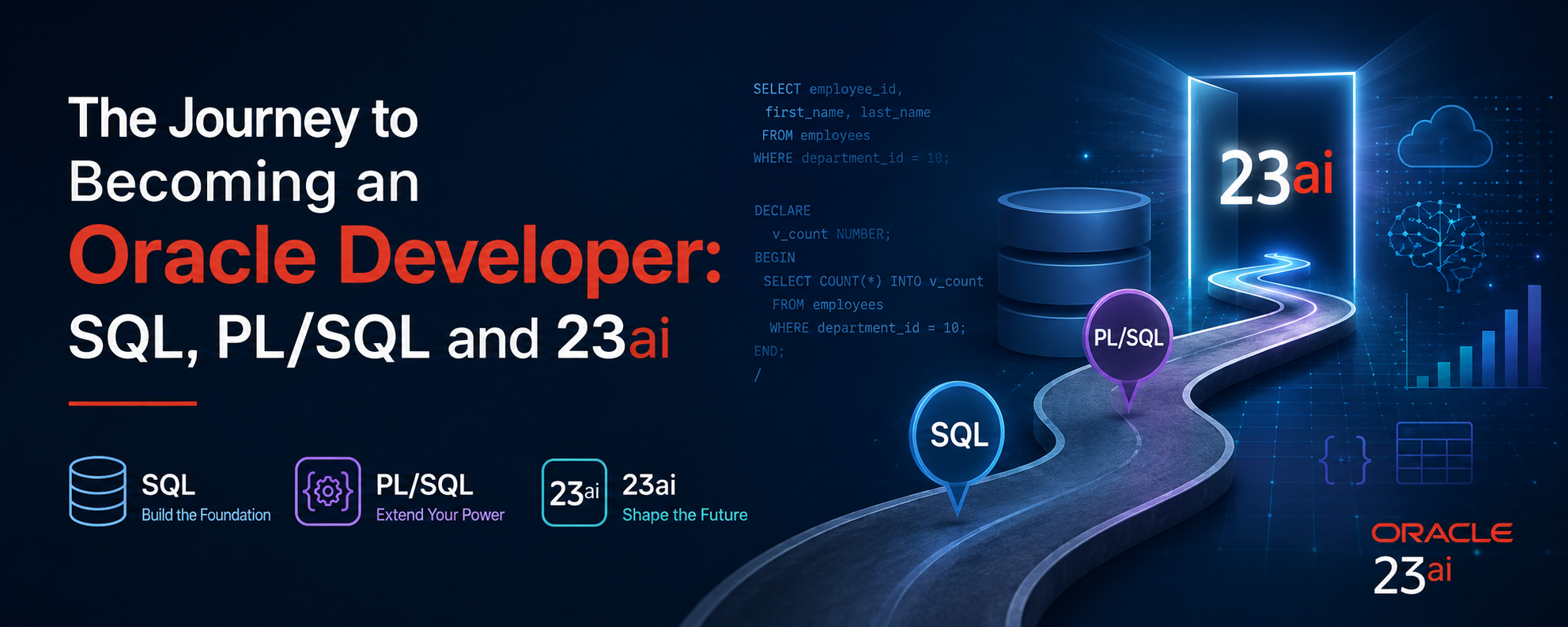
The Journey to Becoming an Oracle Developer: SQL, PL/SQL and 23ai

The Oracle Developer journey actually follows a fairly logical path: Learn SQL → move into PL/SQL → understand Oracle Database 23ai → build real projects. SQL teaches you how to work with data. PL/SQL allows you to build procedural logic inside the database. Oracle Database 23ai takes that foundation further with modern developer features, JSON capabilities, AI Vector Search, new SQL features, and more flexible application development options.

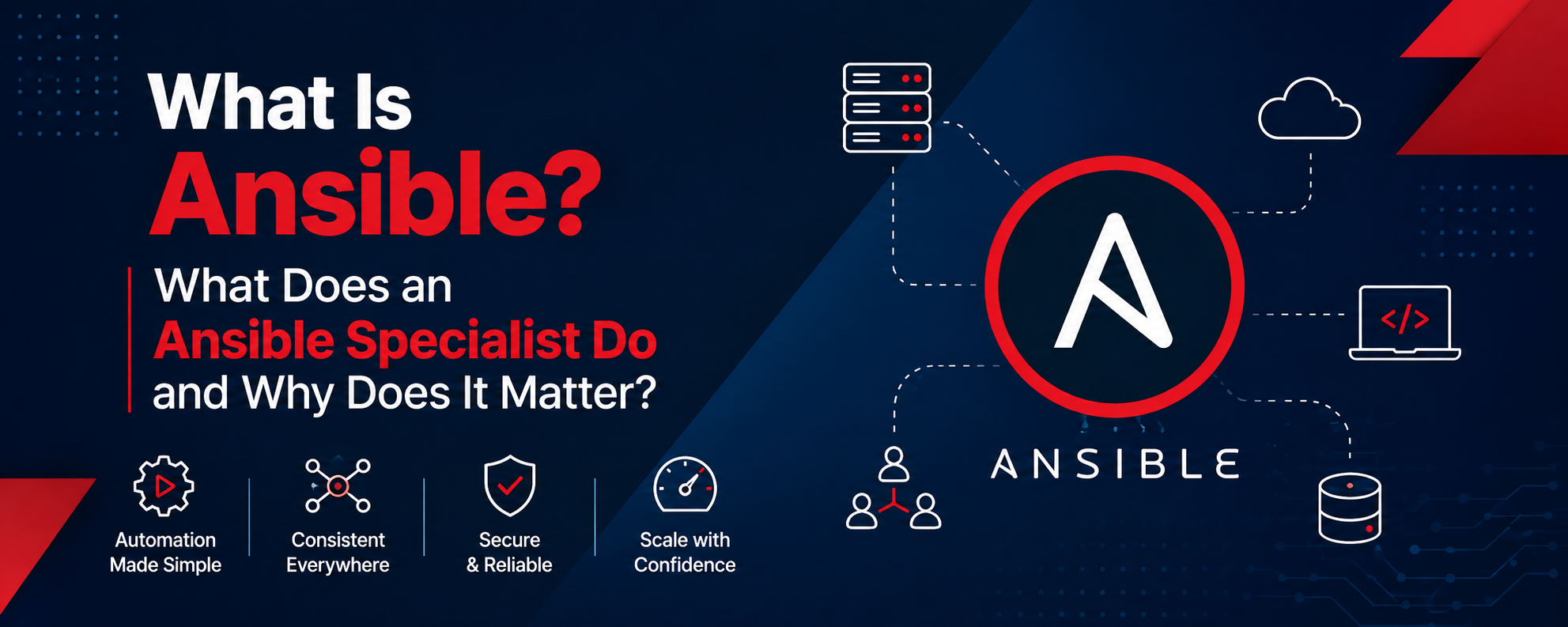
What Is Ansible? What Does an Ansible Specialist Do and Why Does It Matter?

Imagine an IT environment where servers are configured one by one, the same commands are repeated across dozens or even hundreds of systems, and every small change carries the risk of human error. One server needs a package installed. Another needs a service restarted. A whole group requires a security configuration update. As the infrastructure grows, doing all of this manually becomes slower, harder to control, and much easier to get wrong. This is exactly where Ansible comes in.

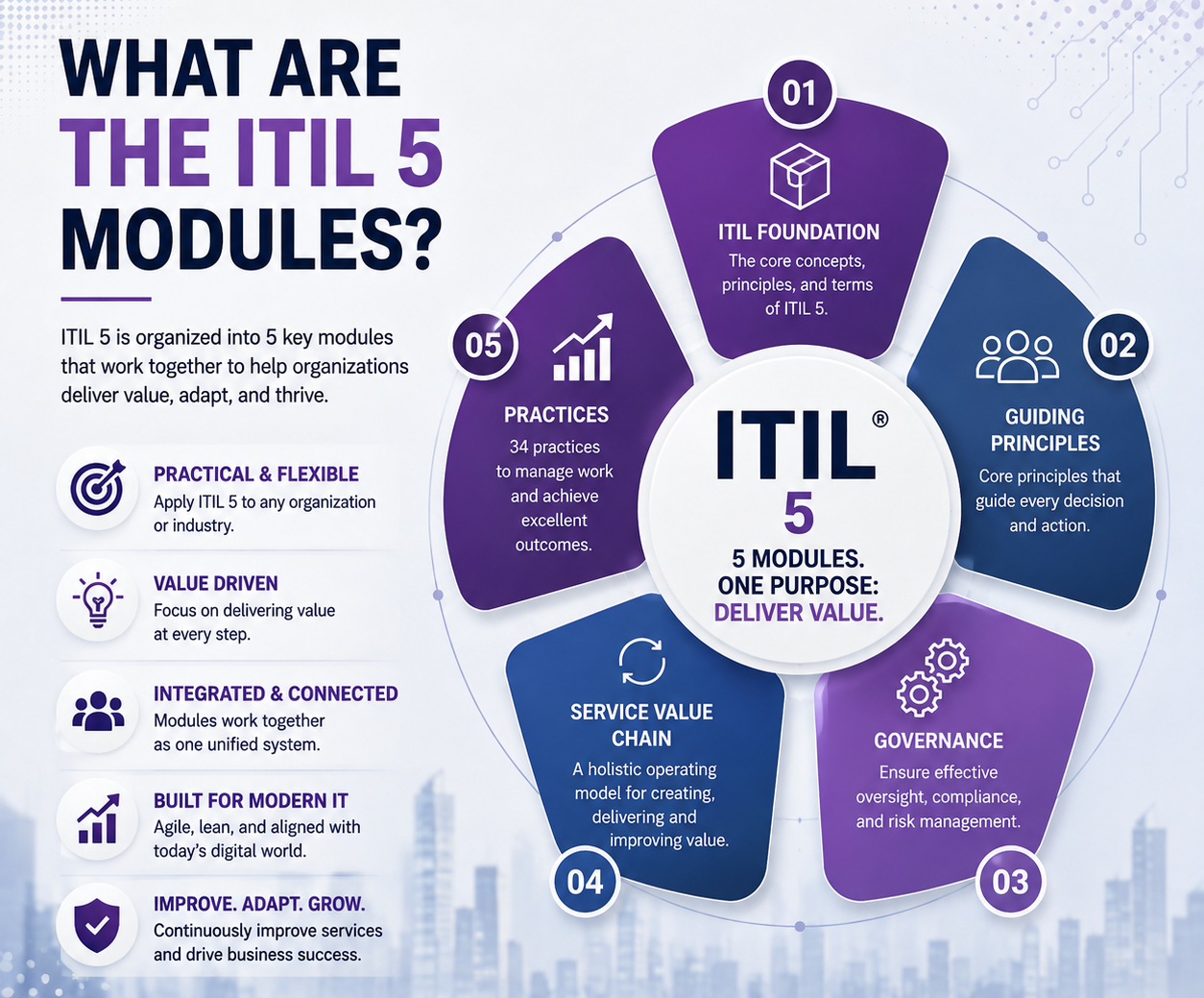
What Are the ITIL 5 Modules?

As organizations continue their digital transformation journeys, IT departments are expected to deliver far more than technical support. They are responsible for enabling business growth, improving customer experience, driving innovation, and ensuring service continuity. To meet these expectations, IT professionals need structured service management practices that align technology with business objectives. ITIL Version 5 is designed to help organizations improve the way they plan, deliver, operate, and continuously enhance IT services. Instead of focusing solely on technical operations, it promotes a value-driven approach that integrates service management with organizational goals.

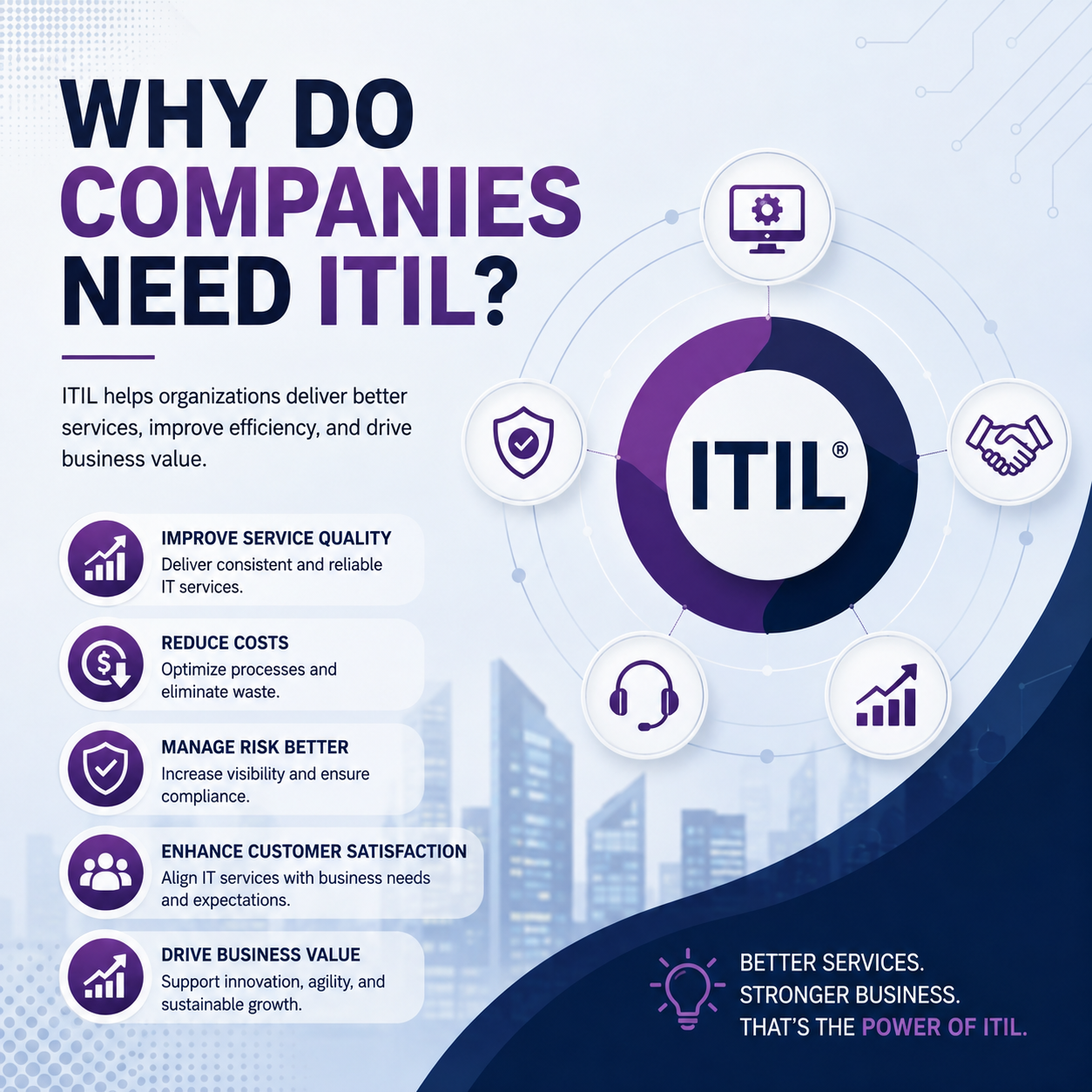
Why Do Companies Need ITIL?

As organizations continue to embrace digital transformation, IT departments are no longer viewed as support functions. Instead, they have become strategic business partners responsible for delivering reliable services, enabling innovation, and supporting business growth. However, investing in technology alone does not guarantee success. Companies also need standardized processes to manage IT services efficiently, reduce operational risks, and deliver consistent value to customers. This is where ITIL (Information Technology Infrastructure Library) plays a vital role.

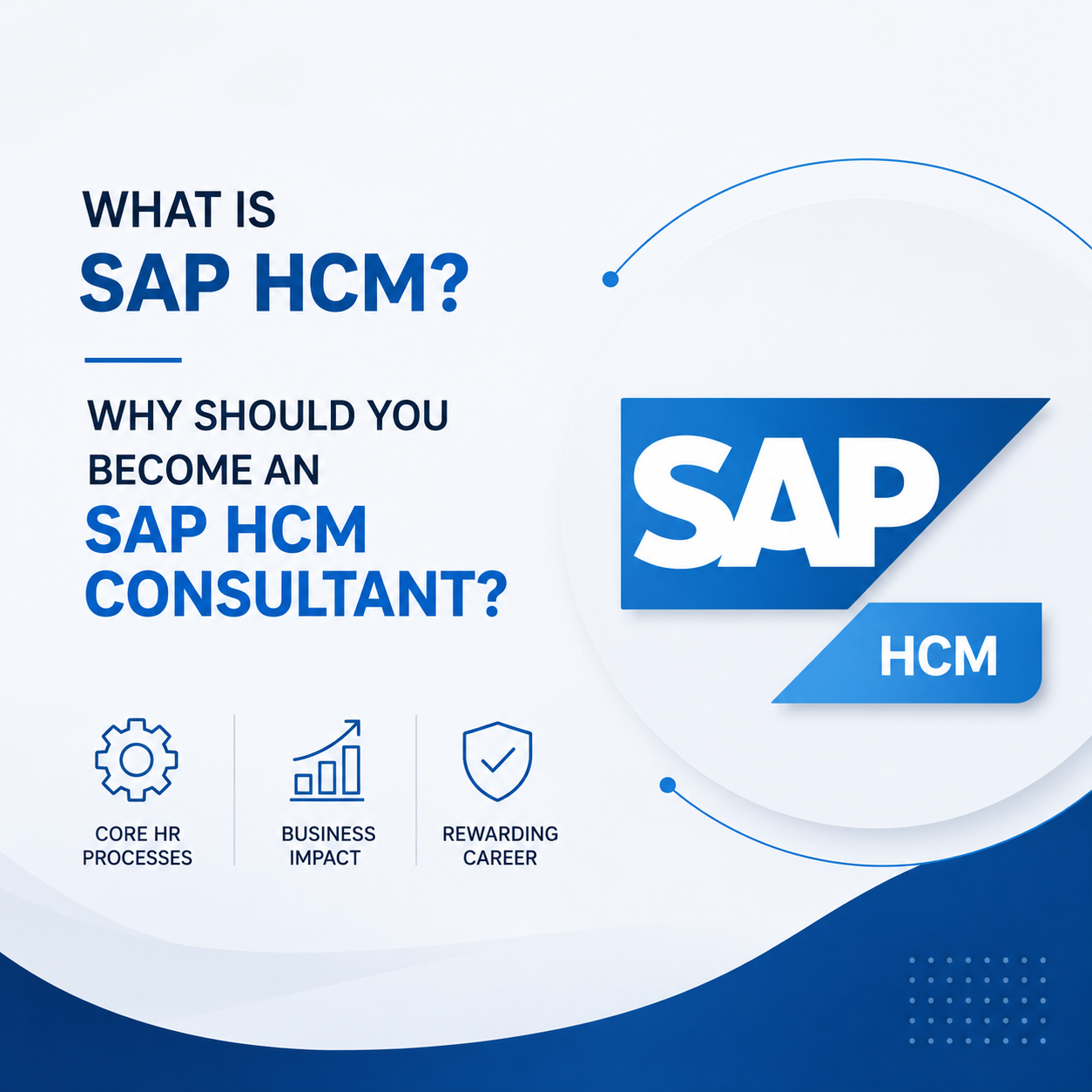
What Is SAP HCM? Why Should You Become an SAP HCM Consultant?

People are one of the most valuable assets of any organization. No matter how advanced a company's technology is, long-term success depends on how effectively it manages its workforce. From recruitment and payroll to performance evaluations and career development, every human resources process plays a vital role in organizational growth and employee satisfaction. As organizations expand and workforce sizes increase, managing HR operations manually becomes inefficient, time-consuming, and prone to errors. This is why businesses around the world rely on Enterprise Resource Planning (ERP) systems to digitalize and centralize their human resources processes. SAP HCM (Human Capital Management) is SAP's comprehensive Human Resources solution that enables organizations to manage the entire employee lifecycle through a single integrated platform. It supports a wide range of HR functions, including personnel administration, organizational management, payroll, time management, recruitment, tra

Frequently Asked Questions About PMP Certification (FAQ)

Project Management Professional (PMP) certification is the global benchmark for excellence in project management. Yet for many professionals, the certification path, exam process, and preparation strategy can seem overwhelming. This guide answers all the most frequently asked PMP questions — in detail, with up-to-date information and practical advice.

What is PMBOK?

PMBOK stands for Project Management Body of Knowledge – basically, the ultimate survival guide for project managers. It’s like the “User Manual” for chaos. When everything starts falling apart, PMBOK calmly whispers: “Don’t worry, there’s a process for that.”

What Is SAP Fiori? Why Become an SAP Fiori Specialist?

As organizations accelerate their digital transformation initiatives, enterprise software is expected to deliver not only powerful business functionality but also intuitive, fast, and user-friendly experiences. While the traditional SAP GUI served as the primary interface for SAP users for many years, the growing demand for mobile access, responsive design, and improved usability led SAP to introduce a completely new user experience strategy. That strategy is called SAP Fiori. SAP Fiori is SAP's modern user experience (UX) design system and application framework for SAP ERP and SAP S/4HANA solutions. It enables users to complete business tasks more efficiently through role-based, responsive applications that work seamlessly across desktops, tablets, and mobile devices.

What Is SAP ABAP? Why Become an SAP ABAP Developer?

Enterprise software systems often need to go beyond standard functionality. Every organization has unique business processes, reporting requirements, approval workflows, and integration needs that require custom development. This is where SAP ABAP (Advanced Business Application Programming) plays a critical role. SAP ABAP is SAP's proprietary high-level programming language used to develop, customize, and extend SAP applications. It has been the backbone of SAP ERP systems for decades and continues to be one of the most important technologies within the SAP ecosystem, including SAP S/4HANA and SAP Business Technology Platform (BTP).

Top IT Certifications for 2026

In 2026, IT certification is no longer optional—it’s essential. Whether in cloud, data, cybersecurity, or project management, the right certification strengthens both individual careers and organizational digital transformation.

From Project Chaos to Control: How PMP Makes the Difference

Let’s find out through 5 real-world scenarios where PMP proves why it’s not just another framework, but the backbone of professional project management worldwide.

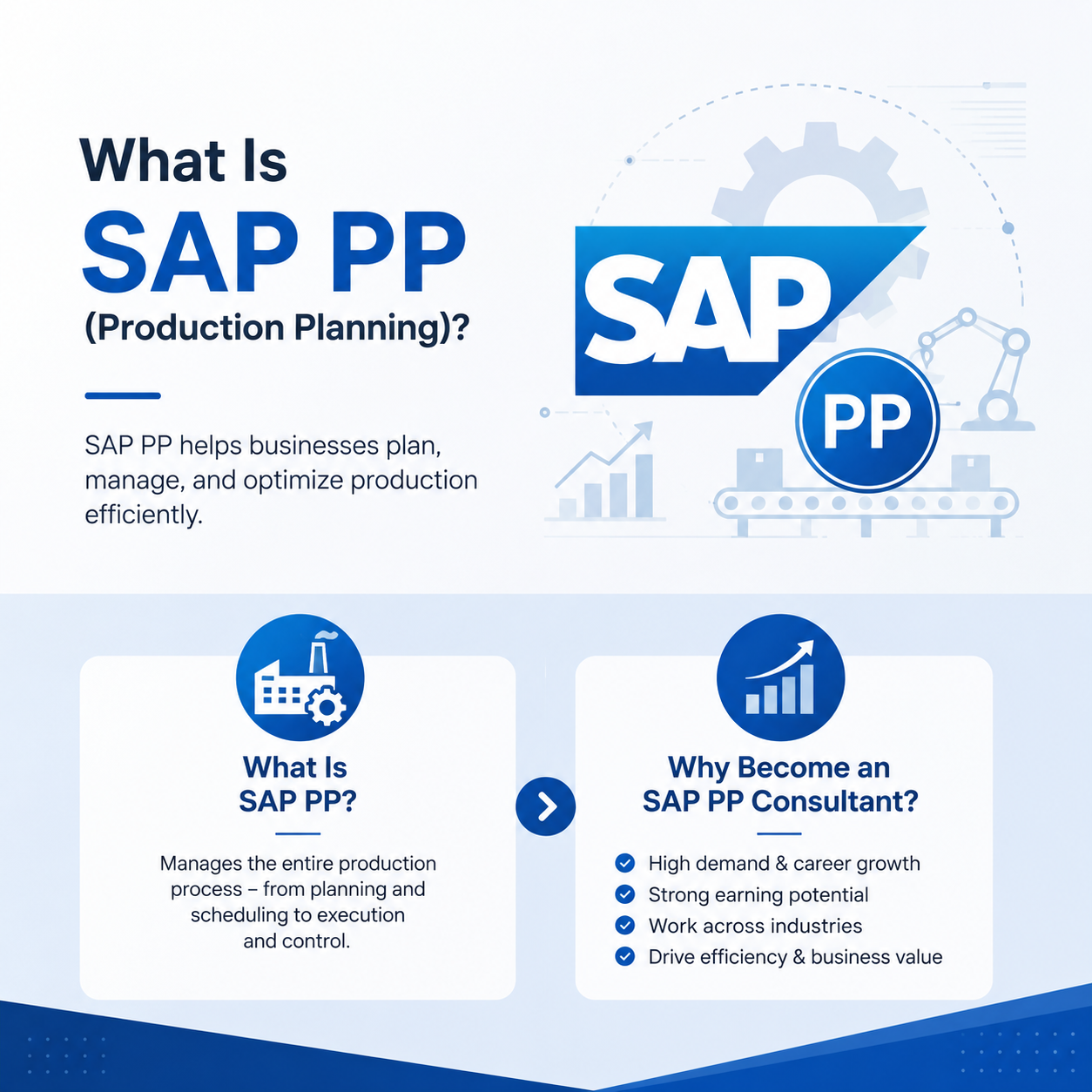
What Is SAP PP (Production Planning)? Why Become an SAP PP Consultant?

Manufacturing companies can no longer compete by simply producing high-quality products. They must also plan production efficiently, ensure materials are available at the right time, optimize production capacity, and respond quickly to changing customer demands. SAP PP (Production Planning) enables organizations to achieve these goals through integrated production planning and manufacturing management. SAP PP is one of the most important logistics modules within SAP ERP and SAP S/4HANA. It enables manufacturers to manage production planning, material requirements planning (MRP), production orders, capacity planning, and shop floor operations from a single integrated platform.

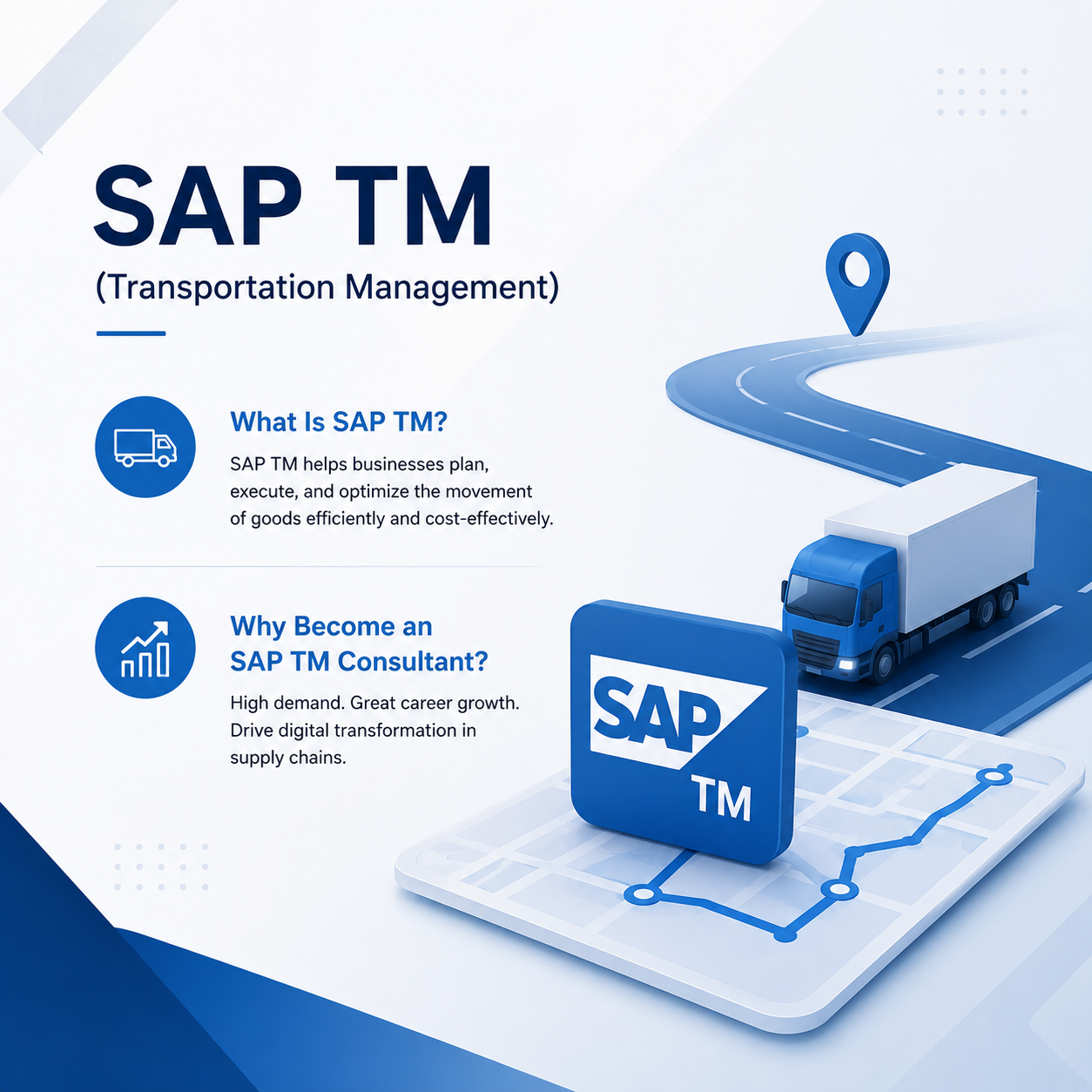
What Is SAP TM (Transportation Management)? Why Become an SAP TM Consultant?

In today's global supply chains, businesses compete not only by producing quality products but also by delivering them to the right place, at the right time, and at the lowest possible cost. This is where SAP TM (Transportation Management) plays a vital role, helping organizations plan, execute, and optimize transportation operations across their entire logistics network. Whether you work in manufacturing, retail, automotive, logistics, or e-commerce, SAP TM expertise can open the door to one of the fastest-growing career paths within the SAP ecosystem.

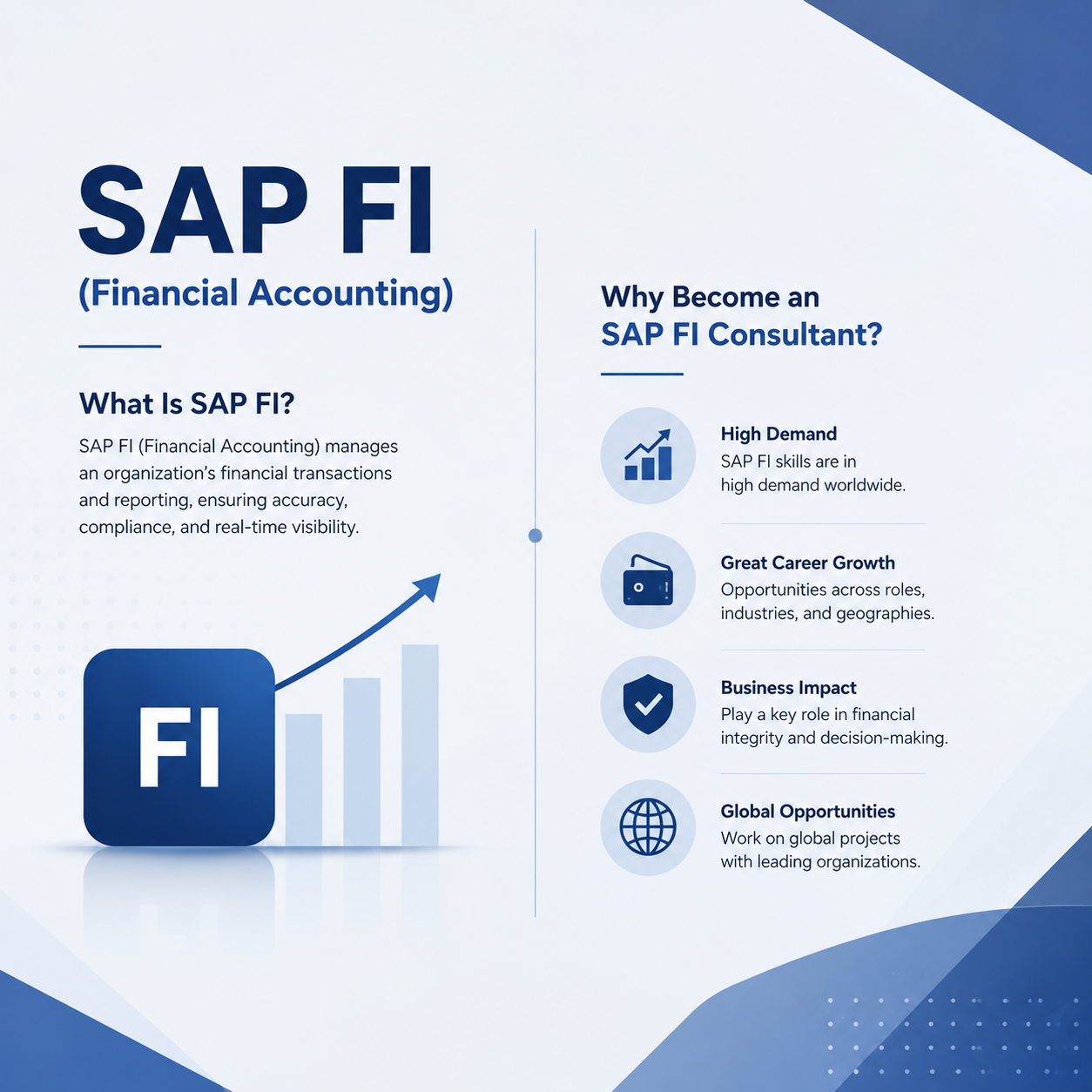
What Is SAP FI (Financial Accounting)? Why Become an SAP FI Consultant?

If you want to digitize financial processes, manage financial data on a single platform, and build a career with global enterprises, SAP FI is one of the most valuable areas of expertise you can develop. Today, thousands of organizations worldwide rely on SAP to manage their financial operations. As a result, SAP FI professionals are among the most sought-after specialists in the SAP ecosystem.

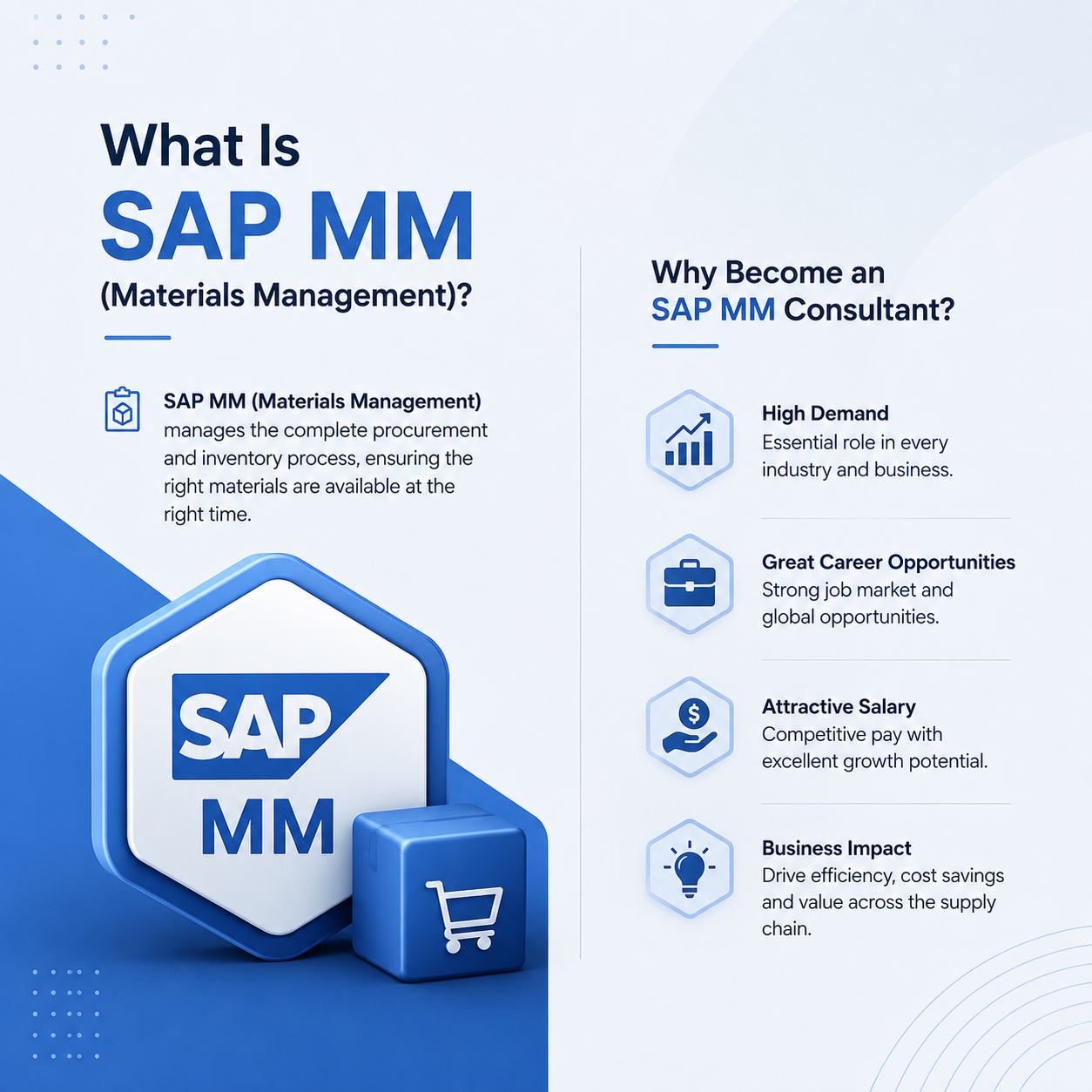
What Is SAP MM (Materials Management)? Why Become an SAP MM Consultant?

In today's business world, success depends on much more than delivering quality products or services. Companies also need to manage procurement, inventory, suppliers, and warehouse operations efficiently. Whether it's a manufacturing company ordering raw materials, a retail chain replenishing store inventory, or a healthcare organization managing medical supplies, effective materials management is essential. This is where SAP MM (Materials Management) comes in. SAP MM is one of the core modules of SAP ERP and SAP S/4HANA, designed to help organizations manage procurement, inventory, material planning, goods movements, and supplier relationships through a single integrated platform.

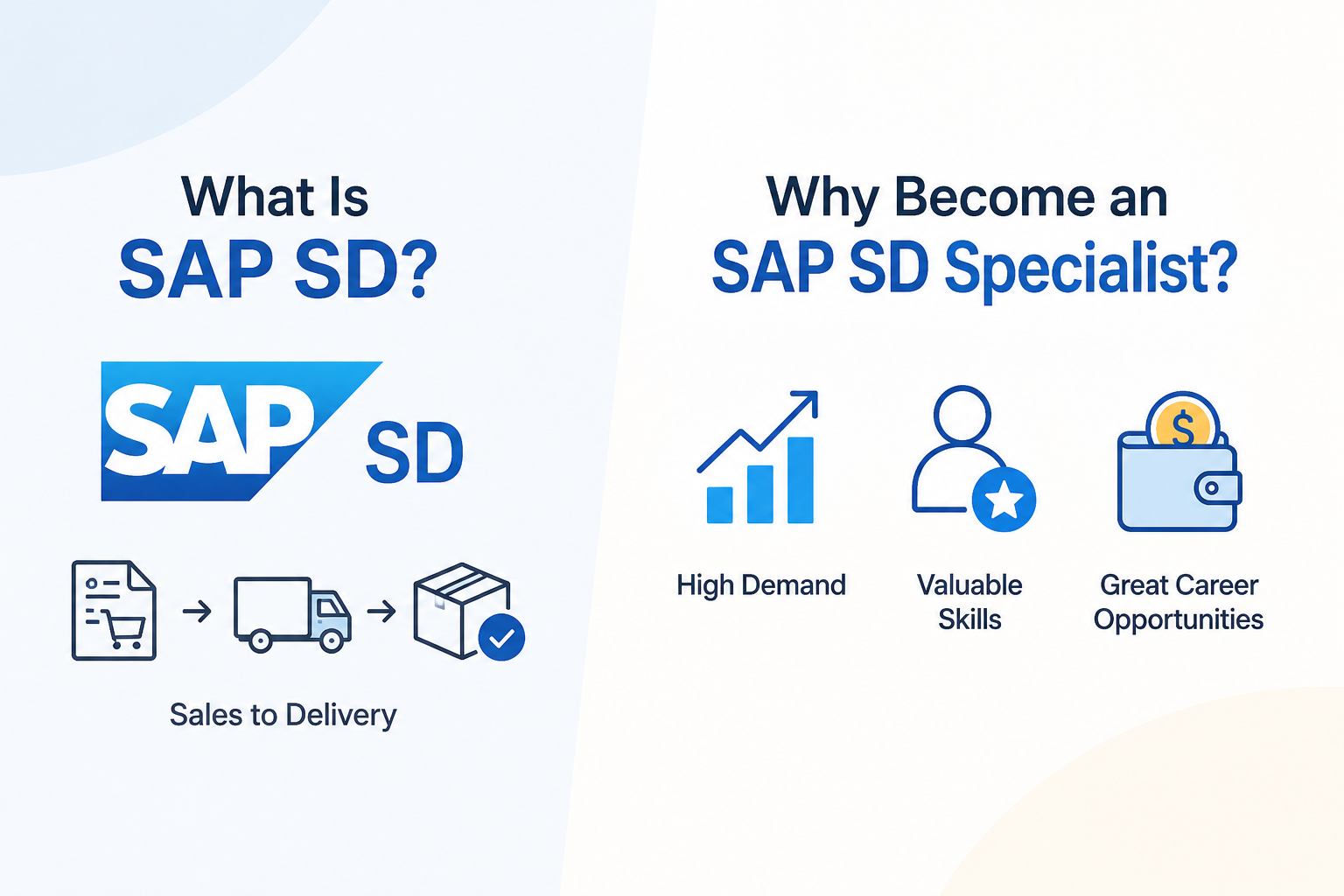
What Is SAP SD? Why Become an SAP SD Specialist?

If you're planning to build a career in the SAP ecosystem, one of the first modules you'll encounter is SAP SD (Sales and Distribution). Sales is at the heart of every business, and SAP SD is the module that manages the entire sales lifecycle—from the initial customer inquiry to order fulfillment, delivery, billing, and post-sales processes.

Leadership Presence: The Power of Communication, and Emotional Intelligence

Leadership today extends far beyond managing people and making strategic decisions. The most successful leaders are those who inspire confidence, communicate with clarity, build trust, and positively influence the people around them. These qualities are often described as Leadership Presence. Leadership presence is not simply about charisma or public speaking. It is the combination of confidence, authenticity, communication, emotional intelligence, and professional behavior that enables leaders to inspire others and create lasting impact.

Build Stronger Teams with Coaching Skills

Leadership has evolved significantly over the past decade. Today's employees expect more than managers who simply assign tasks and monitor performance. They want leaders who inspire growth, encourage independent thinking, and help them reach their full potential. This shift has made coaching skills one of the most valuable leadership competencies in modern organizations. Rather than providing immediate answers, coaching leaders ask meaningful questions, actively listen, encourage self-reflection, and empower employees to develop their own solutions.
By using this website you agree to let us use cookies. For further information about our use of cookies, check out our Cookie Policy.